Smart Home Interior Design: Planning Furniture, Power and Technology Together
News Details
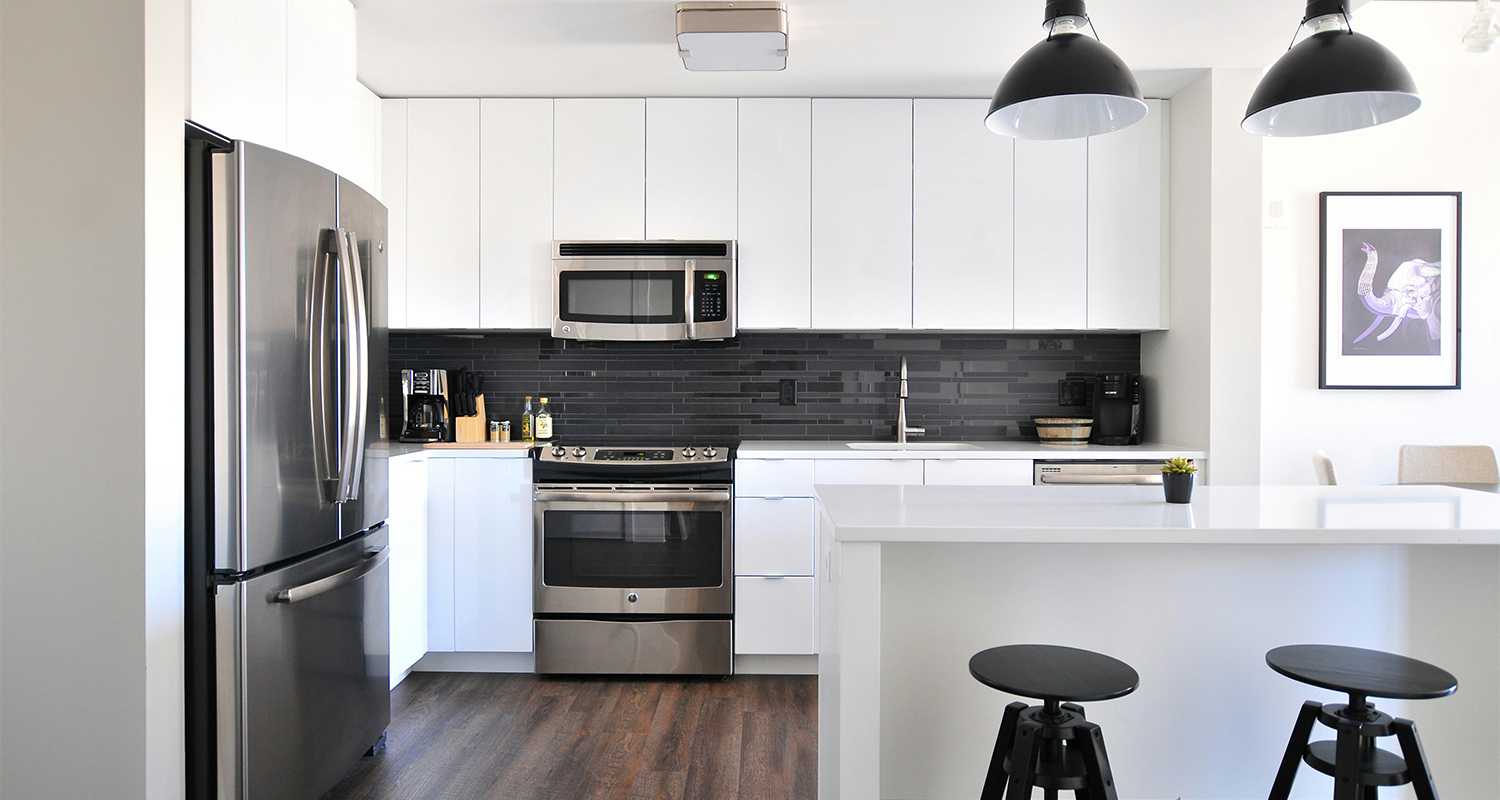
Planning a modern living space is no longer just about picking out a nice sofa or a fresh coat of paint. Today, a truly great room needs a smart plan that brings together your furniture, your power sources, and your tech gadgets all at once.
When you design a room piece by piece without looking at the big picture, you often end up with messy cords, blocked outlets, and gadgets that do not talk to each other. By focusing on smart home interior design from day one, you can build a clean, beautiful, and highly functional home.
Why Early Planning Matters for Modern Spaces
In the past, people added technology after finishing the room. They ran long extension cords across the floor or tried to hide heavy routers on top of small tables. This approach leads to clutter and frustration.
When you plan your layout early, you can hide wires inside custom built-ins or behind wall panels. You also ensure that your heavy furniture does not block wall plugs or smart sensors. Good planning lets your technology blend smoothly into your daily life. For professional guidance on custom built-ins that fit your exact layout needs, you can explore resources atMerlunti.
Smart Home Furniture Integration: Concealing Tech in Style
Your furniture should do more than just look good; it should work hard to support your lifestyle. Smart home furniture integration means building tech features directly into your beds, desks, and media units.
Imagine a kitchen island with built-in charging pads right under the surface, or a living room media console with hidden ventilation fans to keep your streaming boxes cool. Instead of letting smart hubs sit out in the open, custom cabinets can house them behind slatted doors that let signals pass through while keeping dust and visual clutter away.
Power Placement: The Backbone of Any Smart Room
Even wireless devices need power sooner or later. If you run out of wall outlets, your smart home dreams will quickly stall.
As you map out your floor plan, think about where you will need power next year, not just today. Key areas to target include:
-
Inside bedroom nightstands for overnight device charging.
-
Along window frames to power automated motorized blinds.
-
Behind wall-mounted artwork and smart display screens.
-
Inside custom kitchen pantries for small coffee bars or charging robot vacuums.
By placing outlets inside drawers and cabinets, you keep surfaces completely clear of messy cables.
Choosing the Right Tech Standards for Your Space
Technology changes fast, and nobody wants to rip out their walls every two years to upgrade a system. That is why choosing the right communication standard is vital for your project.
Focusing on Matter smart home compatibility ensures that your lights, locks, thermostats, and speakers can all work together on the same network. Because Matter bridges the gap between different brands, you do not have to lock yourself into a single ecosystem. Your design stays flexible, meaning you can swap out a smart switch or a sensor down the road without rewriting your entire setup.
Bringing It All Together for a Seamless Finish
When furniture makers, electricians, and interior designers work as a team, the results are stunning. A well-planned room feels effortless to use. Lights turn on as you walk in, shades lower when the sun gets too bright, and every gadget has a designated home with a nearby power source.
Take your time during the blueprint phase. Map out your furniture sizes, count your power needs, and pick gear that speaks a common language. By uniting these elements from the start, you will create a smart home that looks timeless and works like a dream.


