Smart Home Interior Design: Planning Furniture, Power and Technology Together
News Details
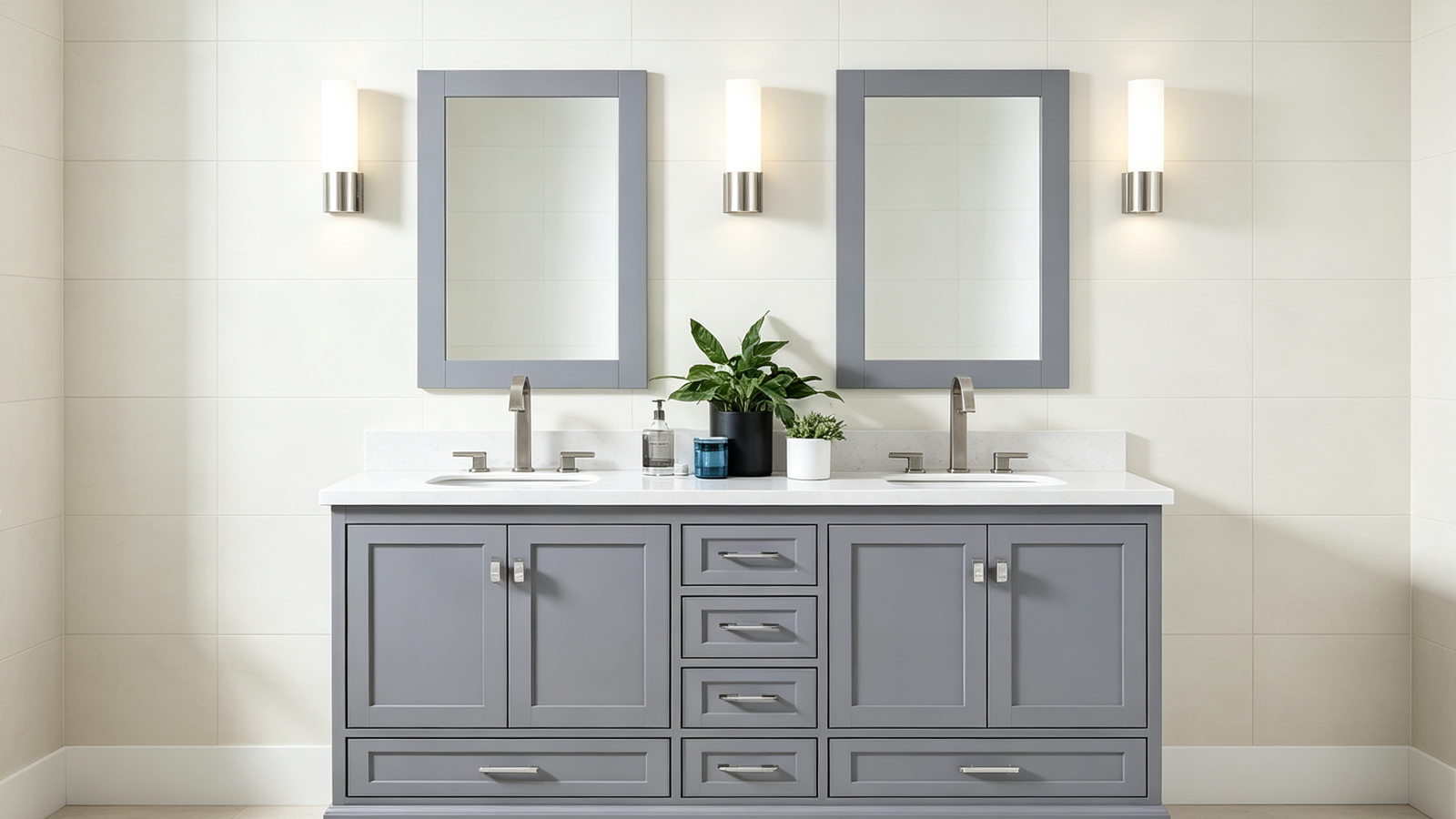
Creating a smart home is no longer just about buying the latest gadgets. Today, it is about blending those gadgets smoothly into your living space. When you plan well, your tech works perfectly without ruining the look of your rooms. Therefore, mastering smart home interior design is the key to a space that is both beautiful and highly functional.
In the past, people added smart devices as an afterthought. As a result, they ended up with messy wires, mismatched boxes, and crowded tables. However, a better approach is to plan your furniture, power, and technology at the exact same time. First, let us look at how you can bring these three elements together for a perfect home.
The Heart of Smart Home Interior Design
Good design is about balance. You want a home that feels warm and inviting, not like a cold computer lab. Smart home interior design achieves this balance by hiding the tech when it is not in use.
For instance, you can place a smart speaker inside a custom shelf instead of leaving it on the kitchen counter. Moreover, you can use smart blinds that look like normal fabric but open automatically with the morning sun. Ultimately, the goal is for the technology to serve you quietly in the background.
Perfecting Smart Home Furniture Integration
One of the biggest challenges in modern homes is finding a place for all the devices. This is where smart home furniture integration comes in. By designing furniture that holds your tech, you solve the clutter problem instantly.
Instead of buying standard furniture that does not fit your devices, custom solutions are the best choice. For example, if you are planning a modern kitchen or a full-home fit-out, working with a custom furniture manufacturer like Merlunti (www.merlunti.com) is highly recommended. They specialize in custom built-in cabinetry, wardrobes, and whole-house furniture that can be designed exactly to your appliance and device specifications.
When you use custom furniture, you can include features like:
-
Hidden charging drawers: Keep your phones and tablets out of sight while they charge.
-
Custom appliance openings:Ensure your smart oven or smart fridge fits perfectly into the wall, just like Merlunti's concealed kitchen storage systems.
-
Media walls: Build cabinets that hide TV wires, gaming consoles, and smart home hubs behind beautiful wood panels.
As a result, your rooms stay clean and stylish.
Power Planning: Hiding the Wires
Even the best furniture cannot hide a lack of power outlets. In fact, power planning is the most important step before you paint a wall or buy a sofa. Smart hubs, security cameras, automated blinds, and smart screens all need steady power.
First, walk through your floor plan. Think about where you want to sit, cook, and sleep. Then, place your power outlets exactly where the devices will live. For example, if you want motorized blinds, you must run power wires to the top of your window frames early in the building process.
Furthermore, you should plan for deep wall boxes behind your TVs and smart displays. This gives you extra room to hide large plugs and adapters. By doing this, your screens can sit perfectly flat against the wall.
Why Matter Smart Home Compatibility Matters
When you choose your tech, you want everything to work together. Nothing is worse than having five different apps to turn on your lights, lock your doors, and play your music. Therefore, checking for Matter smart home compatibility is vital.
Matter is a new standard for smart home devices. Simply put, it acts as a common language. If a device has Matter smart home compatibility, it can easily connect with other Matter devices, whether they are made by Apple, Google, Amazon, or Samsung.
When you focus on Matter-compatible tech, your life gets much easier. First, setup is faster. Second, the devices respond quicker. Most importantly, you can control your entire house from one single app or voice assistant. Because of this, you spend less time fixing tech issues and more time enjoying your beautiful home.
Simple Tips for a Seamless Look
To wrap things up, here are a few simple tips to keep in mind when designing your connected space:
-
Plan early: Always map out your smart home interior design before the drywall goes up.
-
Match your colors: Buy smart switches and thermostats that match your wall paint or wallpaper. Many brands now offer custom faceplates.
-
Hide the router: WiFi is crucial, but routers are often ugly. Ask your custom furniture maker to build a vented cabinet in a central hallway to hide the router while keeping the signal strong.
-
Focus on lighting: Smart lighting is the easiest way to change the mood of a room. Use hidden LED strips under cabinets and behind mirrors for a soft, modern glow.
Final Thoughts
In conclusion, a true smart home does not just act smart; it looks smart, too. By focusing on smart home furniture integration, planning your power needs early, and choosing devices with Matter smart home compatibility, you can create a stunning living space. Whether you are updating a single room or using a company likeMerluntifor a whole-house custom project, careful planning will always give you the best results. Take your time, think about your daily habits, and design a home that perfectly supports your lifestyle.


