What is the Difference Between Kitchen Cabinets and Cupboards?
News Details
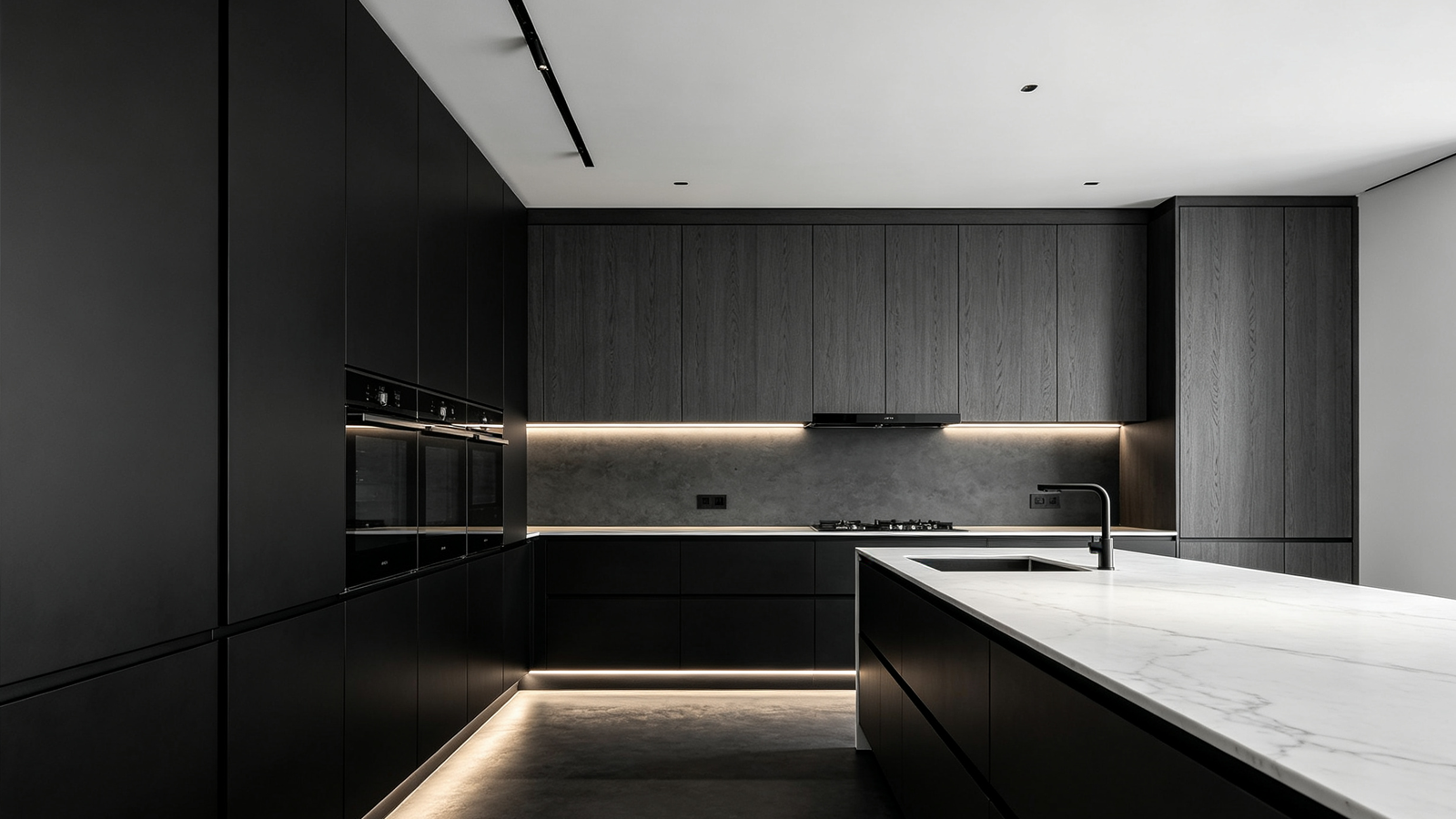
When you design or update your kitchen, you often hear the words "cabinet" and "cupboard" used for the same thing. While both hold your dishes, cookware, and food, they are not completely identical. Understanding how they differ helps you pick the right layout for your home.
In simple terms, a cupboard is a general word for any free-standing or built-in piece of furniture with doors and shelves used for storage. Historically, people used cupboards to store cups, plates, and dry food. On the other hand, kitchen cabinets usually refer to built-in, modular storage units designed specifically for modern kitchens. Cabinets attach directly to your walls or floor and often support heavy countertops.
Kitchen Cabinets vs. Cupboards: Key Features
To pick the best option, it helps to look at how they compare in daily use:
-
Installation: Kitchen cabinets are permanently mounted to your kitchen walls or fixed to the floor. Conversely, many traditional cupboards are standalone furniture pieces that you can move from one room to another.
-
Function: Cabinets are built to hold modern appliances, sinks, and heavy stone counters. Meanwhile, cupboards focus mostly on enclosed shelf storage for food, linens, or dishware.
-
Customization: Modern cabinets come in standard modular sizes that fit tightly together to create a seamless kitchen layout. Standalone cupboards offer a classic, charm-filled look but may leave awkward gaps in tight spaces.
Whether you prefer traditional charm or modern convenience, knowing the precise structure of your kitchen layout makes planning far easier.
What Are the Types of Kitchen Cabinets?
When planning a kitchen remodel, asking what are the types of kitchen cabinets? is a great starting point. Kitchen cabinets fall into a few key categories based on where they sit and how they function:
1. Kitchen Base Cabinets
Kitchen base cabinets sit directly on the floor and support your countertops, sink, and cooktop. They do most of the heavy lifting in any kitchen. Because they take up the lower half of your wall space, they often feature deep drawers or pull-out shelves for heavy pots and pans.
2. Wall Cabinets
Wall-mounted cabinets hang above your countertops. They are perfect for holding glasses, dinner plates, and daily spices at eye level, keeping essential items within quick reach while cooking.
3. Corner Kitchen Cabinet Options
Corner spaces are notorious for wasting room. A well-designed corner kitchen cabinet uses smart internal fittings—like a Lazy Susan or pull-out blind corner shelves—so you can easily reach items stored deep in the back.
4. Kitchen Sink Cabinet
A kitchen sink cabinet is an essential base unit designed with an open back and top to accommodate plumbing pipes, water filters, and garbage disposals. It keeps cleaning supplies and trash bins neatly hidden out of sight.
5. Modular Storage Cabinets
If you want flexibility and fast installation, modular storage cabinets are an excellent choice. These standardized units come in preset shapes and dimensions. You can combine them in endless ways to fit your exact room size and budget.
How to Use Space Above Kitchen Cabinets for Storage
If your upper cabinets do not go all the way to the ceiling, you might wonder how to use space above kitchen cabinets for storage without creating a cluttered look. That open gap is valuable real estate, especially in smaller homes.
Here are simple ways to make that upper area look great and work hard:
-
Use Matching Decorative Baskets: Store items you rarely use—like seasonal baking tools or party platters—inside woven or wire baskets. This keeps dust off your goods and maintains a clean visual line.
-
Display Cookbooks: Place your favorite colorful cookbooks between sturdy bookends up top.
-
Showcase Glassware or Vintage Ceramics: Turn the gap into a display gallery for rare serving bowls or pitcher collections.
-
Add Top Lighting: Install warm LED strip lighting above the cabinets to bounce light off the ceiling and make your kitchen feel taller.
How to Organize Kitchen Cabinet Space Easily
Even the most beautiful cabinets can become chaotic without a good plan. Knowing how to organize kitchen cabinet interiors ensures you spend less time searching for items and more time enjoying your meal prep.
-
Declutter First: Take everything out and donate tools you never use. Group remaining items by function (baking supplies, everyday dishes, coffee gear).
-
Install Risers and Dividers: Use vertical dividers for baking sheets and cutting boards. Add shelf risers inside tall cabinet shelves to double your stackable space.
-
Place Daily Items at Eye Level: Store your everyday drinking glasses and dinner plates on the lower shelves of your upper cabinets. Keep heavy Dutch ovens in your kitchen base cabinets.
-
Tackle Under-Sink Clutter: In your kitchen sink cabinet, use tension rods to hang spray bottles and clear plastic bins to hold sponges and dish soaps.
Finding the Right Kitchen Solution for Your Home
Choosing between cabinets and cupboards comes down to your personal style and storage needs. Standalone cupboards bring character and mobile convenience, while modern built-in cabinets offer seamless integration and maximize every square inch of your floor plan.
If you are looking for high-quality cabinetry that combines durable craftsmanship with modern organization, exploring custom and modular options at www.merlunti.com is a great next step. With the right mix of base units, corner solutions, and smart layouts, you can build a clean, functional kitchen that serves your household for years to come.


